Peter Attia: Exercise as Medicine and Medicine 3.0
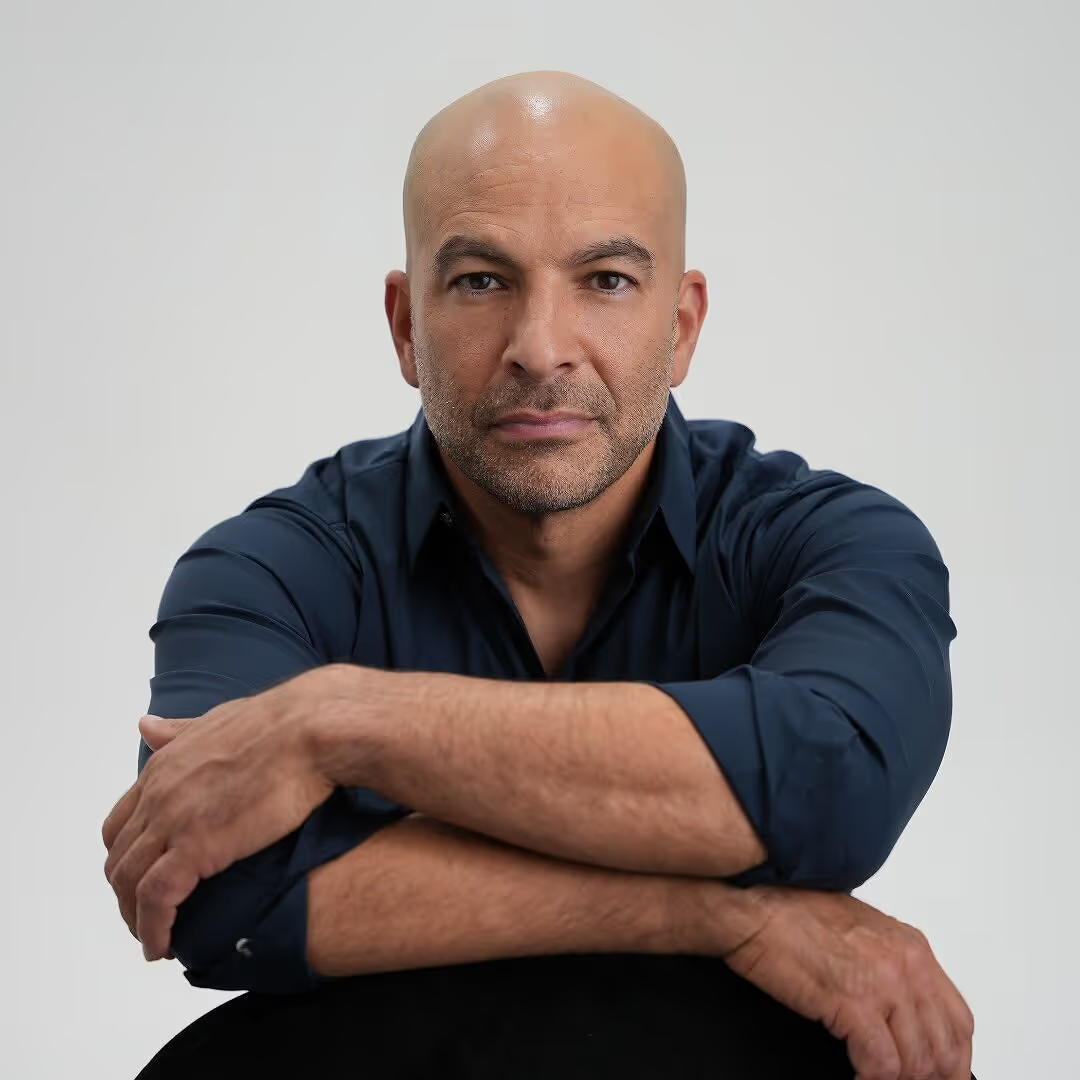
At The Rise, you may often hear us talking about concepts from Dr. Peter Attia's core philosophy on longevity and healthspan and his book Outlive: The Science & Art of Longevity. Many of the modalities at The Rise very much align with some of Dr. Attia's most accessible and actionable concepts, especially the shift from reactive to preventative health. Dr. Attia's work also emphasizes that exercise is the single most powerful tool for delaying both physical and cognitive decline, and we should be training like athletes for the "Centenarian Olympics."
Highlights
- Medicine 3.0: The Preventative Shift: Dr. Attia advocates for a radical change he calls Medicine 3.0, which aggressively focuses on preventing the "Four Horsemen" of chronic disease (heart disease, cancer, neurodegenerative disease, and type 2 diabetes) long before symptoms manifest, moving past the current reactive model (Medicine 2.0).
- Strength Training is Retirement Savings: He views strength training and the resulting muscle mass as a vital reserve, or "retirement savings," that protects against injury, frailty (sarcopenia), and cognitive decline in advanced age. This is often measured through metrics like grip strength, which correlates strongly with longevity.
- VO2 Max as "Engine Size": Cardiorespiratory fitness, measured by your VO2 Max (the maximum oxygen your body can utilize during intense exercise), is cited as a stronger predictor of lifespan than traditional markers like blood pressure or cholesterol, making aerobic training (Zone 2 and Zone 5) a non-negotiable priority.
- The Marginal Decade: Attia's focus is on optimizing the "marginal decade"—the final 10 years of life, which often sees a "cliff-like" drop in function around age 75. His regimen aims to ensure these years are lived with vitality and independence.
Attia’s work is a compelling case for a proactive, data-driven approach to health. And while he consistently prioritizes strength training, Attia has also recently written about how compelling, large-scale data—which he was initially skeptical of—caused him to change his mind on heat therapy, moving from dismissal to active endorsement. His number one takeaway is that frequent, high-temperature dry sauna use is strongly correlated with reduced all-cause mortality, and combining this heat stress with a cold plunge is a powerful way to boost mood and recovery.
Learn More
For a quick overview of Attia's overall work, check out Dr. Attia's interview with CBS News last month. You can also purchase his book at The RIse or anywhere online, and follow his ongoing work via his site and podcast (some require paid subscription).
Dr. Attia's research into cold immersion and sauna use is deep and thoughtful, weighing the pros and cons and multiple considerations; you can read and hear more at the links provided.
.avif)